STEM Pipeline Blog / August 14, 2024
Building Assets in Youth
My son came home from an athletic practice last week and said, “my coach told me I was really learning fast, he thinks I can advance to the next level next week”. At that moment assets were built. The coach noticed and said something positive, and I listened and affirmed my son’s thoughts and feelings. Being an asset builder is not hard. It requires us to see the positive in youth, notice their strengths, and tell them. You are an asset builder. You can speak hope, strength, and resilience into the lives of the young people around you, just by the words you use and the things you do.
During my years in corporate leadership and training, I heard over and over again, “kids these days need to learn____________________________”. Typically, it was during a training course on effective communication or leadership development that I would hear a comment like this or a conversation implying youth don’t have what it takes to make it in the corporate world. I often chuckled internally listening to adults make comments about the “younger generation” (the generation they raised ironically), suggesting that as adults we have acquired all the necessary skills and somehow youth are at a deficit. I chuckled because, at the same time I was spending hours utilizing well-crafted facilitation skills to motivate adults to be empathic and provide developmental feedback as leadership skills, I was also in classrooms having conversations with kids on the same topics. My insight based on my experience teaching the same concepts to adults and youth……. kids understand more than we think, as adults we think we know better. But what if instead as adults we shifted our view and considered what we can do, in everyday moments, to invest in youth so they have the opportunity to live their potential?
Adult relationships are essential to help young people grow and develop. As adults we can intentionally create connections with the young people around us, we don’t have to be a teacher, counselor, or after-school professional. We can be a friend, parent, aunt or uncle, athletic coach, or community member. So often we think we have to do something big or start a new non-profit or program…..we don’t. We just have to be supportive, challenge youth to grow, show we care, treat youth with respect, and expand their view of the possibilities in front of them.
When you stop and smile at a young person in the grocery store, you show them they are in a caring community. When as a parent or family member you pause and listen to the details of the book your student is reading, you are being actively involved in helping them succeed in school. Instead of yelling you use the words, please, and thank you, affirm positive behaviors, and ask for actions instead of demanding them, you are modeling positive communication which opens the path for a young person to seek advice and counsel. These are just a few examples of how you can build assets in youth.
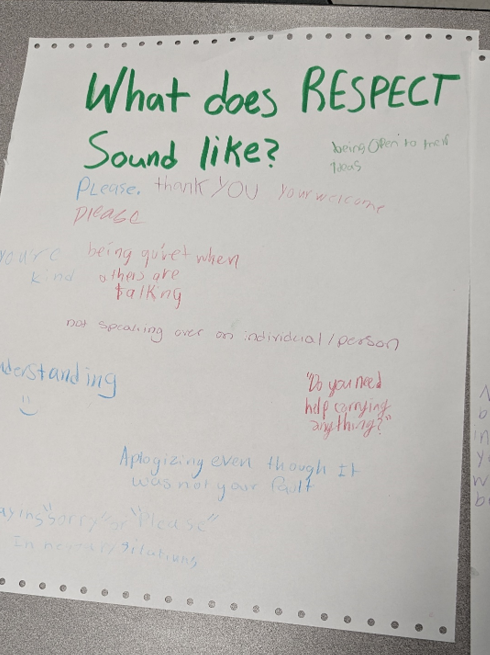
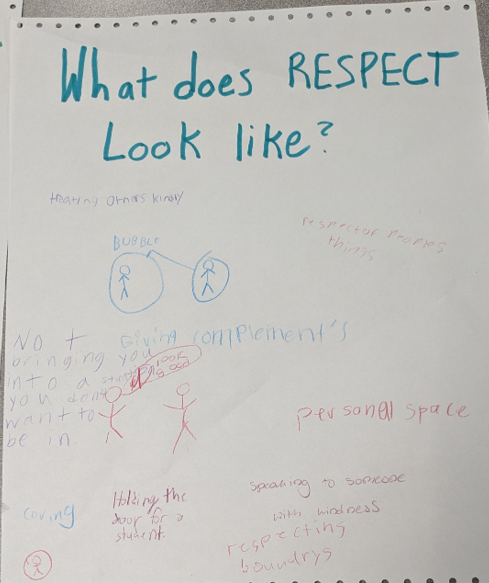
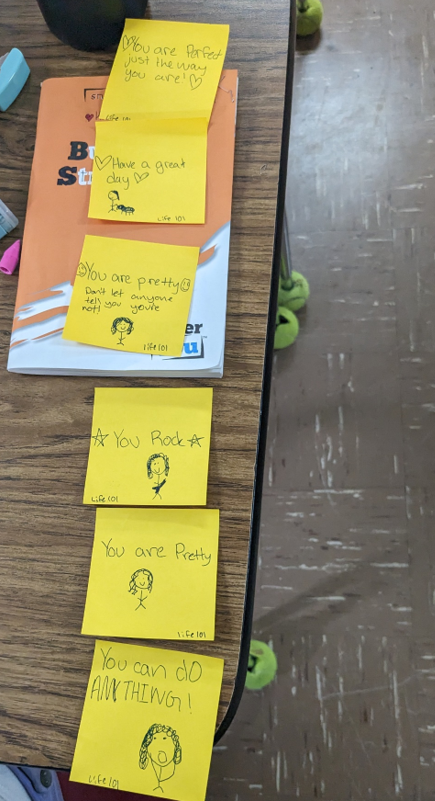
Developmental Assets are the 40 positive support and strengths young people need to succeed. Search Institute has studied Development Assets across cultures and countries for more than 30 years. Youth development consistently tells us that when youth have a strong foundation of strengths in their lives they will do better, make positive choices, and be more resilient when facing challenges. In an environment where assets are being built, youth will thrive instead of just survive.
Who are you if you are an asset builder?
- You are an open, honest, and active listener
- You are hopeful and optimistic
- You are self-aware and committed to personal growth
- You appreciate others’ strengths and uniqueness
- You strive to be a caring and supportive person
What do you do if you are an asset builder?
- Say hello, wave, or ask a simple question to take the initiative in building relationships
- Look for the good in others and seek common ground with them
- Have meaningful conversations with young people about beliefs, differences, and decision-making
- Encourage young people to succeed in school, and be connected to their community
- Apologize, explain and resolve conflicts peacefully
Simple ways to start now:
- See something positive about a youth and tell them
- Help a young person think through a decision
- Cheer on effort along with accomplishment
- Read with a student
- Play an outdoor game and share a story about when you first learned to play that game
- Be honest about your mistakes
- Ask them what was good about their day
- Listen, stop what you are doing, and pay attention
- Learn something new from a young person
If you want more tools Search Institute has a Resource Hub to help you along the way.
Just remember, when you were a young person, someone invested in you, likely in a simple yet meaningful way. Be that someone for a young person in your life.
For more information about Discover You™ visit www.discoveryou.org
https://www.facebook.com/DiscoverYouPrograms
www.linkedin.com/in/discoveryou-programs-8a66402ba
Sarah Weisbarth Discover You™ Director

Sarah is a professional facilitator, trainer, and coach. Sarah serves in education with The ROCK Center for Youth Development as the Discover You Director. With a certificate in coaching from the Co-Active Training Institute, Sarah uses her education in Health and Fitness and Certificate in Wellbeing and Applied Positive Psychology to support adults and youth. Sarah incorporates Social and Emotional Learning and program planning to bring the best possible experience and plan for others to help themselves, their employees, students, and the organization. She hopes that individuals understand themselves and others to be effective personally and professionally. She describes herself as a messy, introspective, hopeful, simplistic lover of life. For more on Sarah’s background and experiences including her volunteer work check out her profile on LinkedIn https://www.linkedin.com/in/sarah-weisbarth428925117/
← Blog Archives