STEM Pipeline Blog / March 3, 2025
U-M Fellowship Supports Mid-Michigan Teachers Interested in Sustainability and Climate Change!
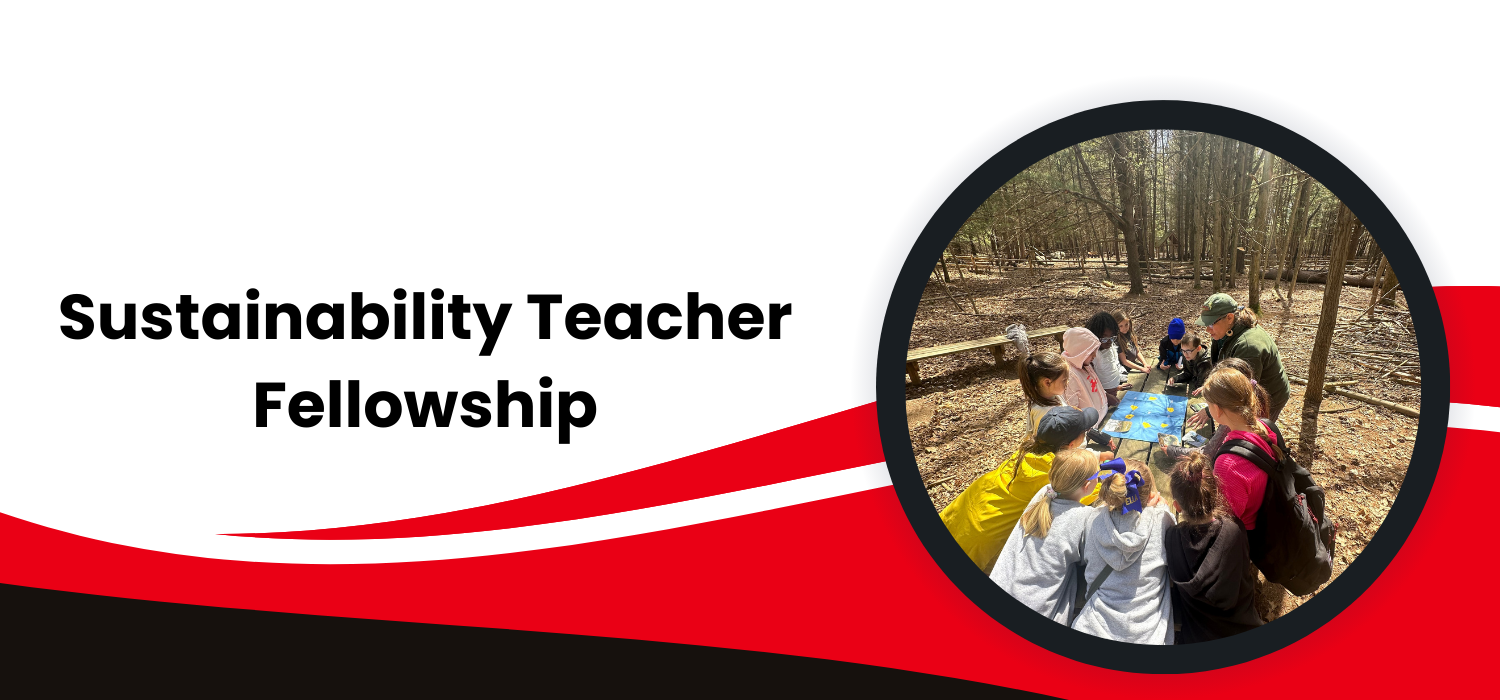
The Sustainability Teacher Fellowship, a program run by the University of Michigan, supports K-12 educators across content areas in designing and engaging students in a place-based instructional experience and student action project on a local climate change issue.
The program is currently accepting applications from K-12 educators from the Great Lakes Bay region who are interested in teaching sustainability issues. Educators from Arenac, Bay, Gratiot, Isabella, Midland, and Saginaw counties and surrounding districts can apply.
“We’re providing students with experiences that will spark passion about the outdoors, sustainability, environment, and community,” said Nate Phipps, managing director of the Center for Education Design, Evaluation, and Research at U-M Marsal Family School of Education.
This opportunity offers high-quality professional development. It begins with a field-based exploration and a community partner resource fair. Fellows will then participate in online courses, including an asynchronous module on climate change in the Saginaw Bay region and a course of their choice from a curated selection.
Later in the summer, in-person field-based workshops will give fellows hands-on experience with place-based sustainability education tools, helping them explore regional climate change issues and solutions. Participants will receive a $2,000 stipend and a $1,000 mini-grant to support the implementation of their sustainability unit in the classroom.
“Place-based education can provide real-world context to sustainability issues that students either hear about in their daily lives or are experiencing directly,” said fellowship program coordinator Emily Gochis “We aim to equip teachers with tools to address these topics in their classroom and empower their students to make a difference in their community.”
The program is entering its seventh year. New and returning fellows are encouraged to apply. Fellows who have participated in the program thus far have designed and implemented various robust, interdisciplinary units focusing on local sustainability issues.
“You will love the excitement your students have for their learning when it is something they care about. The learning they will do is like nothing you’ll do with traditional teaching,” explains 2022-2025 fellow Kaylynn Hoffman, a third-grade elementary school teacher at North Elementary at Birch Run Area Schools.
Schools across the region are leading innovative sustainability projects, engaging students in hands-on environmental learning. Here are a few highlights of their impactful work from the 24-25 Sustainability Teacher Fellows:
- Bullock Creek Schools: Elementary students engage in place-based education, exploring nature with the guidance of Nature Coach and fellow Tina Pretzer. Partnering with teacher fellow Carri McGuire, they lead hands-on sustainability projects, including creating a native grassland at Floyd Elementary. These initiatives promote environmental stewardship, social skills, and a lasting community impact.
- Shepherd Public Schools: Teacher fellows Taleen and Brian inspire Odyssey Middle/High students to participate in sustainability projects that enhance local ecosystems. This year, they are developing a pollinator garden to support wildlife around their school campus. Their goal is to combat the effects of climate change on organisms such as birds, bees, and damselflies.
- Valley Lutheran High School: Led by Ben and Karla, students transformed a school field into a restored native habitat by planting wildflowers, grasses and learning about pollinators and keystone species to create an outdoor learning space that fosters environmental awareness and hands-on education.
“The fellowship experience causes me to think through lessons differently. I find myself thinking and exploring ways to make lessons more engaging and relevant for my students. I know I have access to a plethora of resources to do so because of the fellowship,” said alumni fellow Jessica Marcet, a John Glenn High School teacher at Bangor Township Schools.
Sustainability Teacher Fellows begin drafting outlines of their sustainability units and action projects during the summer professional development sessions that kick off their fellowship experience. Then, at the end of their fellowship year, teachers share their place-based sustainability project overview with other educators and the more extensive regional network with a poster presentation. Here’s a look at the impactful projects led by teacher fellows from 2022 to 2024.
The fellowship support is provided by NOAA Great Lakes Bay Watershed Education & Training (B-WET), the Dow Company Foundation, the Marsal Family School of Education, Delta College, and local sustainability, conservation, and community organizations.
Individuals and teams are welcome to apply. Applications are due March 30, 2025. To learn more about this opportunity and apply, visit www.DITFellows.org.
← Blog Archives